Yaoundé, Cameroon – Liberia has been endorsed as Chair of the West African subregion for the Association of African Central Banks (AACB) following high-level deliberations at the body’s 47th Annual Meetings, held from November 23 to 28 at the Hilton Hotel in Yaoundé, Cameroon.
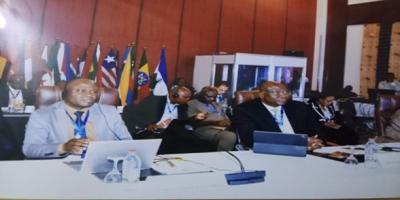
The week-long event brought together central bank governors and technical experts for sessions including the Technical Experts Committee Meeting, Bureau Meeting, Governors’ Symposium, and the Assembly of Governors.
During the Bureau Meeting, the Central Bank of West African States (BCEAO), which served as outgoing Chair, nominated Liberia to assume the subregional leadership for 2025/2026. The nomination was unanimously endorsed, with Liberia subsequently naming Sierra Leone as Alternate Chair.
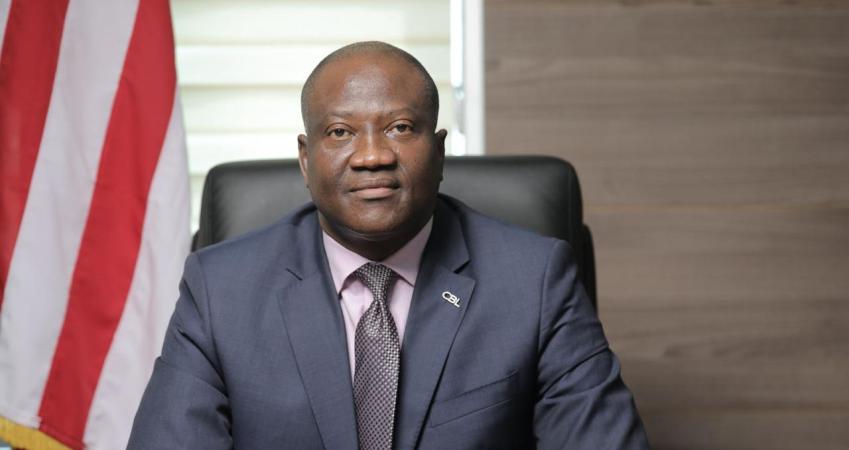
A major highlight of the meetings was the Governors’ Symposium, themed “Climate Change and Macroeconomic Stability: The Role of Central Banks.” Governor Saamoi chaired and moderated Session 3, which examined how central banks address climate risks in financial stability assessments and policies. The session featured keynote presentations and a panel discussion with governors from Botswana, Comoros, and Kenya.
Executive Governor Saamoi stressed that climate change has shifted from being an environmental concern to a material financial-stability risk. He cited the growing impact of droughts, floods, and rising sea levels on inflation, fiscal balances, asset quality, and banking system resilience across Africa. “Despite contributing less than 4 percent of global emissions, African economies remain highly vulnerable to climate shocks, which continue to drive food inflation, weaken export revenues, and increase credit risks—particularly in agriculture and MSMEs,” said Governor Saamoi.
From Liberia’s perspective, Saamoi noted that over 70 percent of the workforce depends on agriculture, exposing bank portfolios to climate variability. He warned that coastal cities like Monrovia and Buchanan face severe risks from rising sea levels and flooding, with implications for real estate, infrastructure, and collateral values. He outlined CBL’s initiatives, including a Climate Finance Roadmap, green housing finance exploration, and partnerships with the World Bank and Alliance for Financial Inclusion (AFI) to integrate climate considerations into financial sector policies.
The meetings concluded on November 28 with the Assembly of Governors, reaffirming AACB’s commitment to strengthening cooperation among African central banks and advancing monetary and financial integration. The annual gathering serves as a platform to address emerging macroeconomic challenges, harmonize policy approaches, and coordinate Africa’s stance in global financial governance.